Coffee rituals from around the world
From a Turkish cezve to a Swedish fika, how different cultures turn a simple cup of coffee into a moment worth slowing down for.

Nora Lindqvist
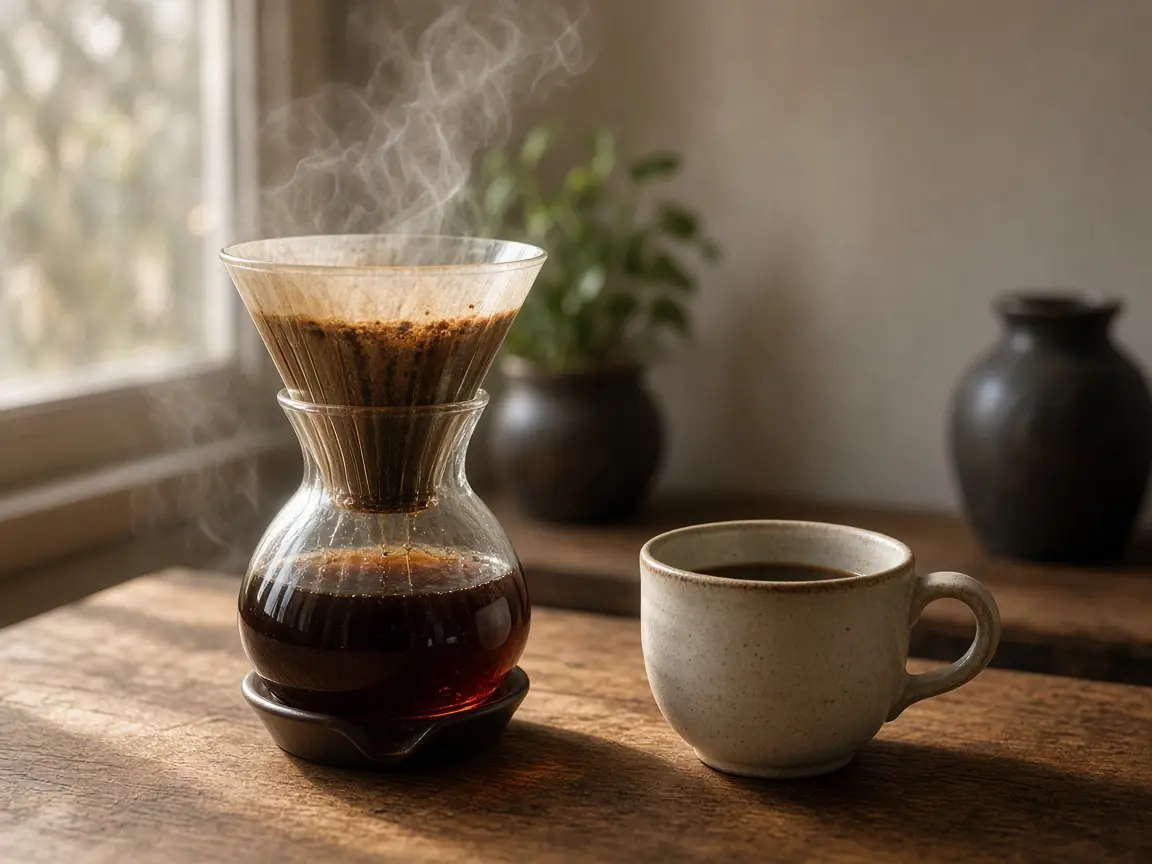
Coffee is one of the most widely shared rituals on earth, yet almost every culture has made it its own. The bean is the same. What happens around it is completely different.
Over years of traveling, I’ve come to collect coffee rituals the way some people collect souvenirs. Here are a few of my favorites.
Turkey: patience in a small pot
Turkish coffee is brewed in a cezve, a small long-handled pot, with very finely ground coffee, water, and often sugar. It’s heated slowly until a thick foam rises, then poured unfiltered into small cups.
You don’t rush Turkish coffee. You wait for the grounds to settle, sip slowly, and stop before you reach the sludge at the bottom. In some homes, the leftover grounds are even used to tell fortunes.
Sweden: the art of fika
In Sweden, coffee is less a drink than an excuse to pause. Fika is a daily break, usually mid-morning or mid-afternoon, for coffee, something sweet, and conversation.
Many workplaces build fika into the day. It’s not considered time away from work so much as part of how good work happens.
A coffee break isn’t wasted time. It’s where half the good ideas come from.
Italy: standing at the bar
In Italy, coffee is quick, precise, and social. Most people take their espresso standing at the counter, drink it in a few sips, exchange a word with the barista, and move on.
A few unwritten rules: cappuccino is a morning drink, and asking for one after lunch will earn you a look. Coffee comes after a meal, not with it.
Ethiopia: a ceremony of hospitality
Ethiopia, often called the birthplace of coffee, has perhaps the most beautiful ritual of all. The coffee ceremony begins with green beans roasted in a pan over coals, then ground by hand and brewed in a clay pot called a jebena.
It’s served in three rounds, and the whole ceremony can last an hour or more. Being invited to one is a sign of friendship and respect.
Bringing it home
I don’t perform an Ethiopian ceremony every morning, and I rarely stand at a bar. But traveling has changed how I drink coffee at home. I make it more slowly now. I drink it from a cup rather than a travel mug. And whenever I can, I share it with someone.
The ritual, it turns out, matters more than the recipe.
- #coffee
- #culture
- #rituals